

The Power of Prevention: Why Your Daily Habits Matter
In the world of clinical care, we often talk about critical incidents—the moments that demand immediate medical intervention. However, true longevity isn’t built in the emergency room; it is cultivated in the quiet moments of your daily life. Prevention is rarely a single, dramatic event. Instead, a robust heart healthy lifestyle is the cumulative result of a hundred small, consistent choices made from the moment you wake up until you go to sleep.
From a nursing perspective, we know that heart disease prevention is not just about avoiding illness; it is about preserving vitality. Most cardiovascular issues do not begin with a loud “bang,” but with quiet whispers that the body sends us over time. At Alliance Homecare, our philosophy extends beyond crisis management. We believe that professional home care is a tool for proactive health maintenance, designed to keep you strong, stable, and healthy enough to avoid crises altogether.
Recognizing the Whispers: Mini Heart Attack Symptoms
Distinguishing Mild Discomfort from Emergency Signs
One of the most dangerous myths in cardiovascular health is that a heart attack always looks like the movies—a sudden chest clutch and a collapse. In reality, cardiac events often present as “whispers” long before they shout. Clinically, we often see patients overlook mini heart attack symptoms because they feel manageable. These signs can be subtle: a persistent wave of nausea that feels like indigestion, unusual fatigue that sleep doesn’t cure, or a dull tightness in the jaw or back.
This is particularly true for women and seniors, whose symptoms often deviate from the “classic” chest pain. Ignoring these mild heart attack symptoms because they don’t feel “severe enough” is a risky strategy. By the time discomfort becomes undeniable pain, valuable treatment time may have been lost.
Why “Wait and See” is a Risky Strategy
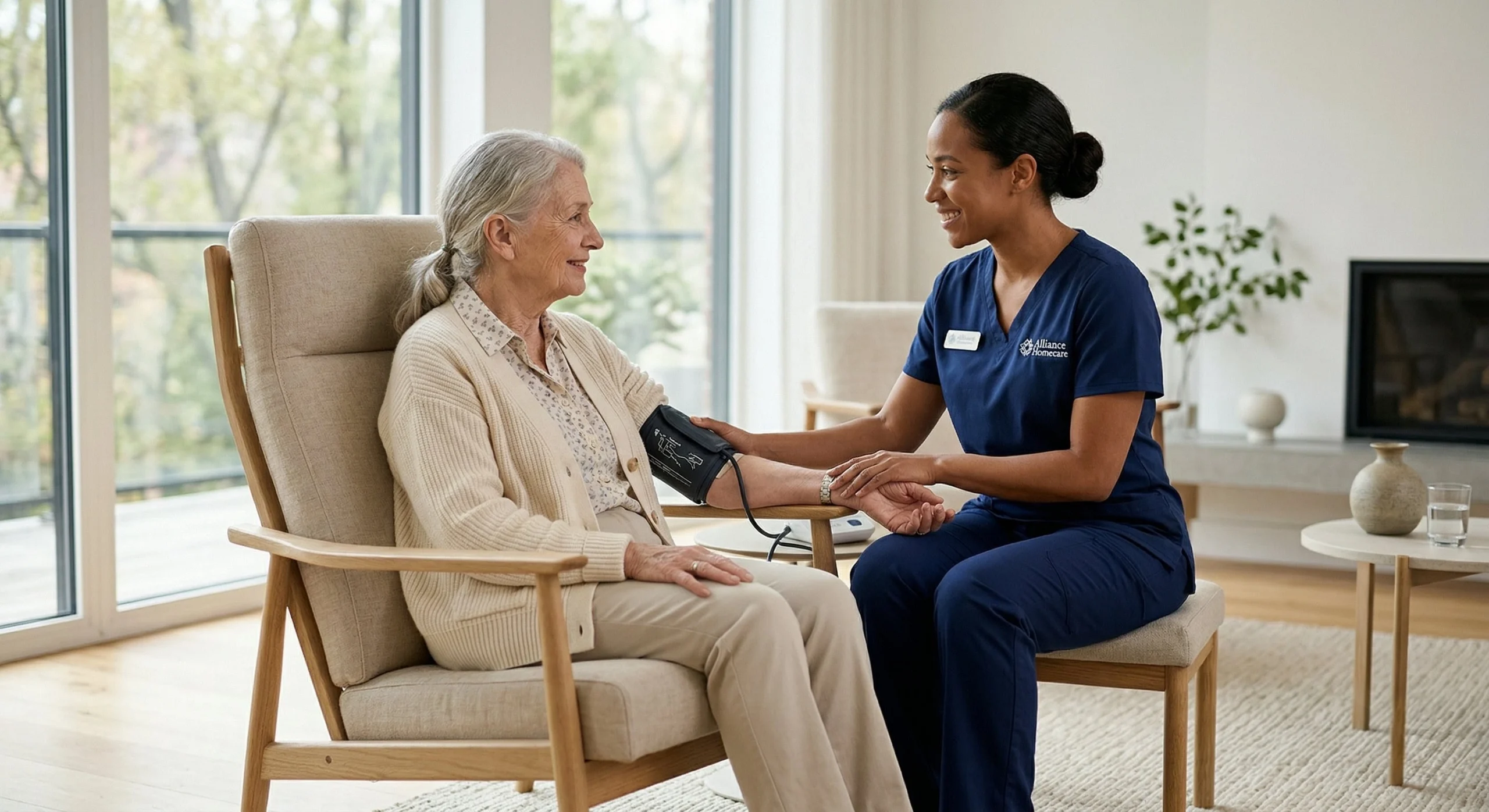
The “wait and see” approach is frequently where preventable issues escalate. This is where the value of premium home care becomes lifesaving. Having a trained Home Health Aide (HHA) in the home provides a critical clinical safety net. Our aides act as a second set of eyes, trained to notice subtle changes in your baseline—pallor, shortness of breath after a short walk, or a change in appetite—that you might dismiss. Recognizing these nuances early is the key to effective intervention.
Practical Steps for a Heart-Healthy Lifestyle
Beyond the Gym: Movement that Fits Your Life
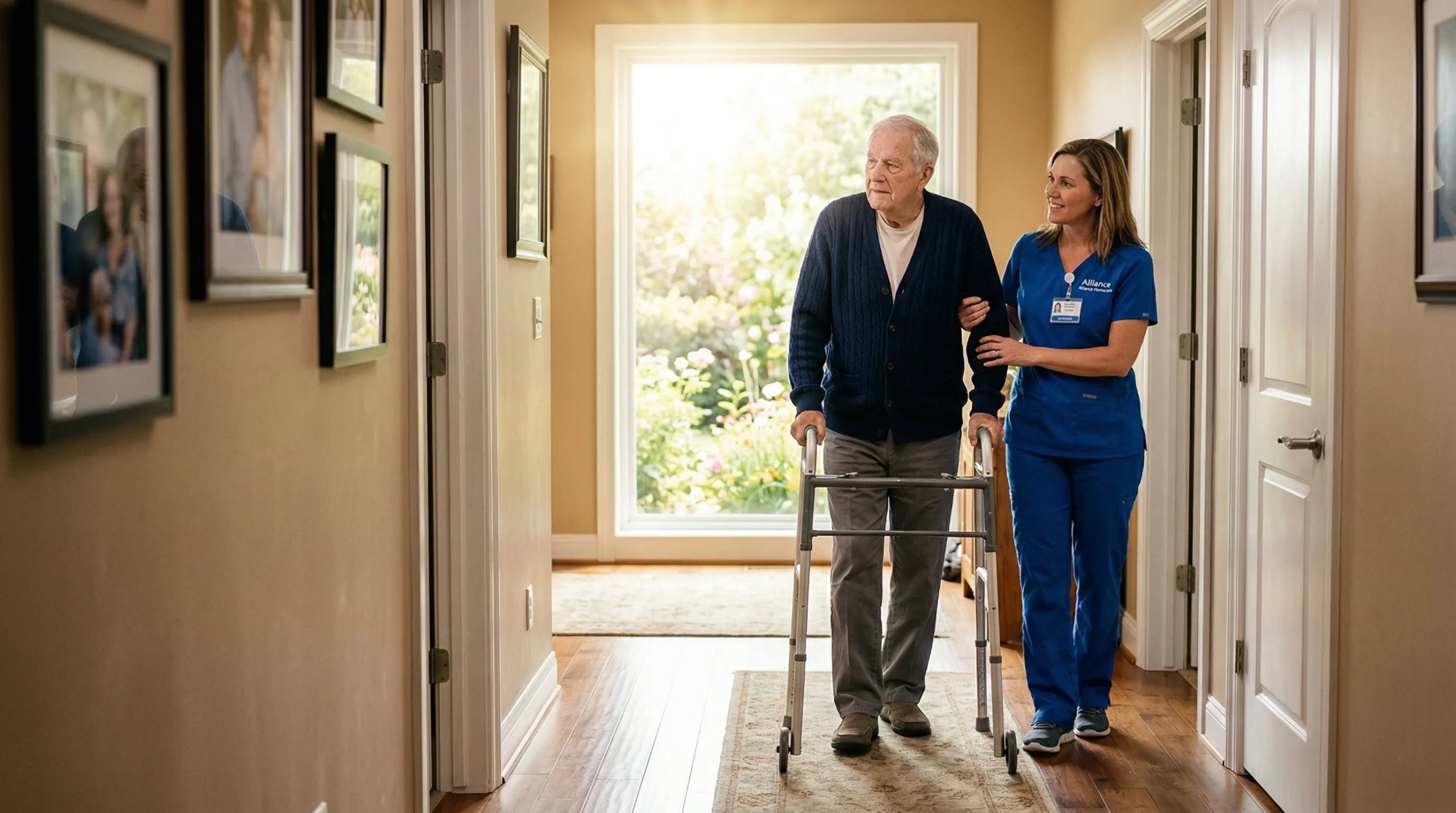
When we discuss a heart-healthy lifestyle, many clients envision grueling sessions at a gym. However, clinical evidence suggests that consistency trumps intensity, especially for long-term heart health. The goal isn’t to run marathons; it is to engage in regular “Zone 2” movement—activity that gets the heart rate up slightly but allows you to maintain a conversation. This could be a brisk walk around your garden or gentle resistance exercises in your living room.
Stress Management as a Medical Necessity
Equally important is learning how to improve heart health by managing cortisol levels. Chronic stress acts as a toxin to the cardiovascular system, keeping blood pressure elevated. This is where the logistical support of a Home Health Aide becomes a medical advantage. By handling the stressful complexities of daily living—light housekeeping, laundry, and errands—our aides remove the triggers that spike cortisol, allowing you to focus purely on relaxation and recovery.
Fueling the Heart: Nutrition Without the Stress
How to Prevent Heart Disease Naturally Through Diet
Nutrition is the biochemical foundation of cardiac care. Learning how to prevent heart disease naturally often comes down to what is on your plate. A diet rich in leafy greens, healthy fats, and lean proteins can drastically reduce inflammation and arterial plaque. However, knowing what to eat is simple; the execution—shopping, chopping, and cooking—is where many fall short due to fatigue or lack of time.
Heart-Healthy Meal Prep Hacks
This is where our approach to care shines. Meal preparation is a Home Health Aide’s superpower. Instead of relying on processed convenience foods which are often hidden sources of sodium, an Alliance Homecare aide ensures you have a healthy heart diet without the labor. They can grocery shop for fresh ingredients and prepare delicious, low-sodium meals tailored to your palate. We make natural prevention the default choice, not a chore.
The Role of Professional Support in Long-Term Prevention
Why Consistency is Hardest When You’re Alone
We often tell our clients that willpower is a finite resource. Attempting to overhaul your lifestyle alone is difficult because consistency requires energy that many seniors need to conserve for other things. It is easy to skip a walk when no one is watching, or to choose a salty snack when you are too tired to cook. This lack of support is why many well-intentioned plans for a heart healthy lifestyle eventually fade.
Creating a Clinical Safety Net
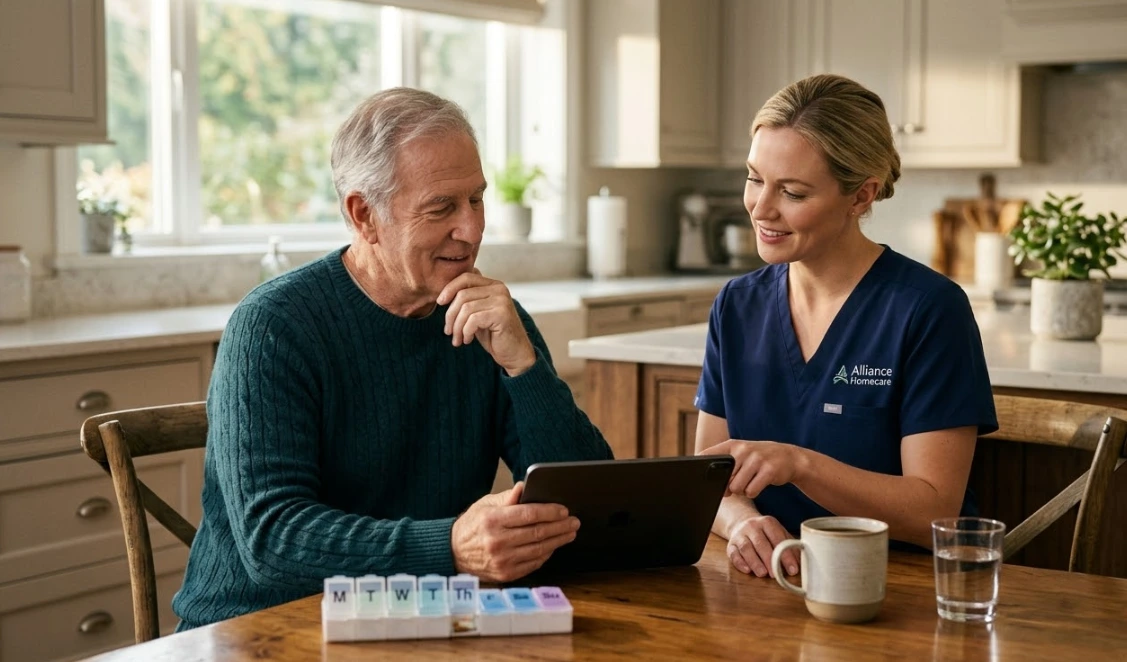
Professional home care services bridge the gap between intention and action. An Alliance Homecare aide provides the gentle accountability needed to make these changes stick. Whether it is a reminder to take medication, a companion for that morning walk, or simply the presence of a professional who understands your care plan, we provide the structure necessary for success. You are not just hiring a caregiver; you are investing in a clinical partner dedicated to your longevity.
Conclusion: Small Steps Today for a Stronger Tomorrow
Heart health is rarely built in a doctor’s office; it is built in the kitchen, on the sidewalk, and in the peace of mind that comes from a well-managed home. Understanding how to prevent heart disease is the first step, but executing that knowledge requires support. You do not have to navigate these lifestyle changes alone.
We invite you to contact us at Alliance Homecare today to learn how our expert team of Registered Nurses and Home Health Aides can support your journey toward a stronger, healthier heart through expert daily care or contact us directly at 646-790-5116.