

Diane Sirakovsky
RN, BSN, PNHNP-BC
Founder, Chief Clinical Strategist
The Transition from Hospital to Home
Discharge day is often celebrated with balloons and relief, but as a specialized nurse, I know the truth: walking out those hospital doors is when the real work begins. Your surgeon has successfully repaired your heart, but your recovery happens at home.
The hospital is loud and stressful, yet it feels safe because monitors are beeping and professionals are watching every heartbeat. Going home can feel like losing a safety net. Discharge isn’t the finish line; it’s the start of the real work.
Why the First Month is the Golden Window
The first 30 days post-discharge represent the “Golden Window” for healing from open heart surgery. This is not just a period of rest; it is an active physiological process involving your lungs, your brain, and your circulatory system. Healing is a full-body experience. How you navigate this month often sets the tone for your long-term health.
The Reality of the Open Heart Surgery Recovery Time
Recovery is rarely a straight line, but it does follow a clinical progression. Understanding the timeline of open heart surgery recovery time helps manage expectations for both the patient and their family.
Week One: The Stabilization Phase
The first week at home is physically the most demanding. Your body is directing nearly all its energy toward healing the sternum and regulating fluid levels. It is normal to feel exhausted after simple tasks like brushing your teeth. During this phase, adherence to “Sternal Precautions” is non-negotiable. We teach patients to avoid pushing, pulling, or lifting anything heavier than 5 to 10 pounds—roughly the weight of a gallon of milk. This isn’t just a rule; it is essential to prevent the breastbone from shifting as it knits back together.
Weeks Two Through Four: Finding Your New Normal
As you move into the second week, physical pain may decrease, but you might encounter “Post-Pump Brain.” This is a mental fog or difficulty concentrating that many patients experience after being on the heart-lung bypass machine. It can be frustrating for high-functioning individuals who are used to being sharp. Acknowledging this as a temporary, physiological side effect rather than a cognitive decline is crucial for mental well-being during healing from open heart surgery.
The Safety Question: How Long After Open Heart Surgery Can You Be Left Alone?
One of the most common questions families ask us is: “How long after open heart surgery can you be left alone?”
Assessing the Risk of Falls and Fatigue
The honest clinical answer is that a patient should not be left alone for at least the first few weeks, and ideally, not for the first month. The risk isn’t just about a cardiac event; it is often about orthostatic hypotension—a sudden drop in blood pressure when standing up—which can lead to fainting spells and falls. A fall for a post-surgical heart patient can be catastrophic due to the fragility of the sternum.
The Role of 24-Hour Clinical Oversight
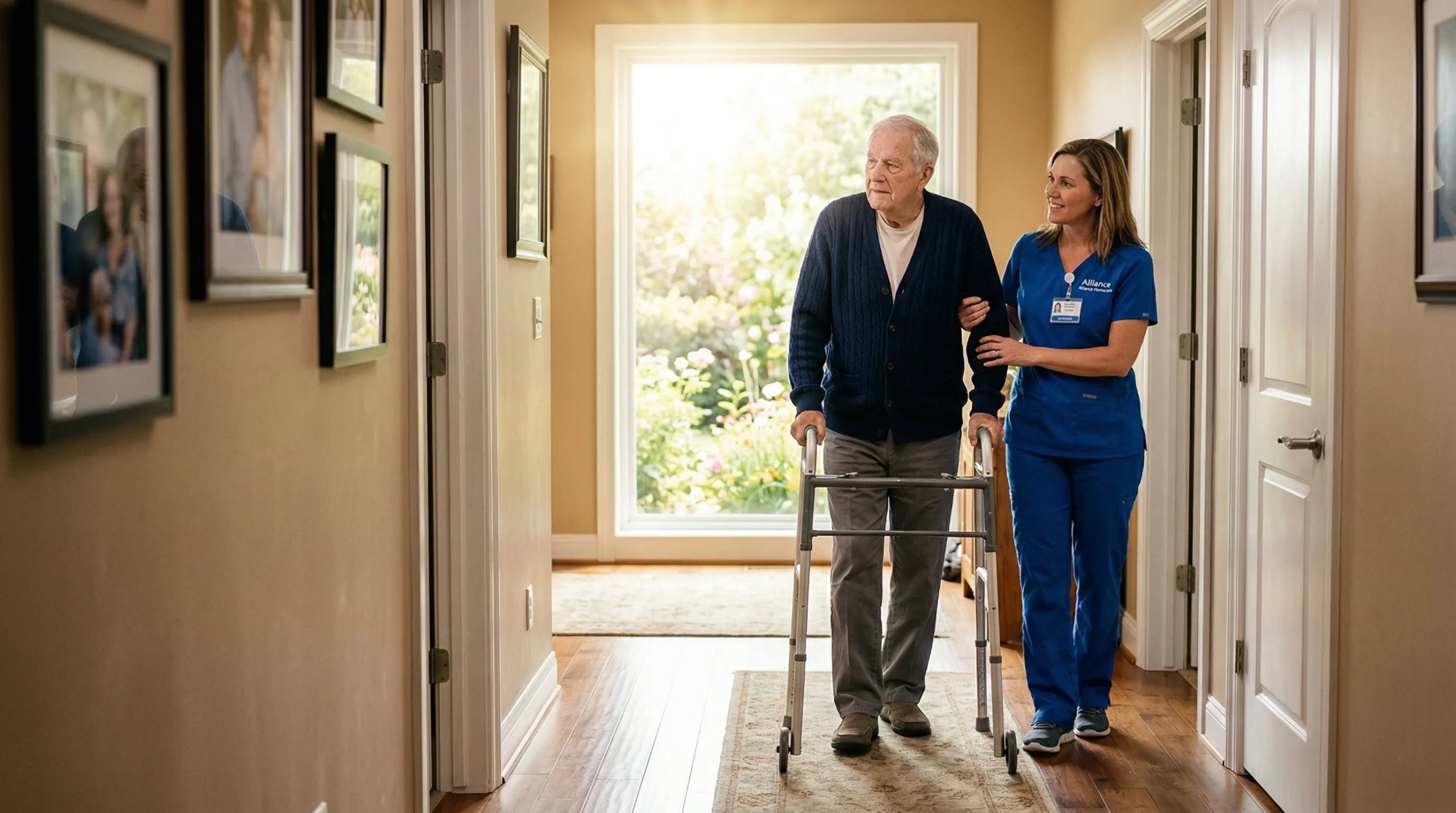
Having 24-hour care isn’t just for emergencies; it is for compliance and confidence. A professional presence ensures that the patient is actually performing their spirometry (breathing exercises) to prevent pneumonia and is walking enough to prevent blood clots, without overdoing it. Family members often struggle to enforce these clinical boundaries because they are worried about causing pain. A private nurse bridges this gap, providing the clinical authority to ensure the recovery plan is followed safely.
The Medication Maze: Why Professional Management Matters
Leaving the hospital often means returning home with a new regimen of 10 or more prescriptions. Managing this post heart surgery recovery protocol requires precision.
The Dangerous Truth About Over-the-Counter Meds
A critical error we see is the casual use of over-the-counter medications. Patients in pain often reach for what they know, leading to the question: “Can you take ibuprofen after open heart surgery?”
Can You Take Ibuprofen After Open Heart Surgery?
Generally, the answer is no, unless explicitly cleared by your cardiologist. NSAIDs like ibuprofen can cause fluid retention, putting extra stress on your newly repaired heart and kidneys. Furthermore, they can interfere with the efficacy of blood thinners (anticoagulants) prescribed to prevent clots. A private nurse manages the medication schedule meticulously, ensuring pain is controlled without risking dangerous drug interactions or accidental overdoses that frequently lead to readmission.
Practical Comfort: Clothes and Home Setup
While medical safety is paramount, comfort is what makes the days bearable. Preparing your environment before the patient arrives is a key step in a smooth recovery.
The Best Clothes to Wear After Open Heart Surgery
The best clothes to wear after open heart surgery are loose-fitting shirts that open from the front. Lifting arms over the head to put on a T-shirt can pull at the incision and violate sternal precautions. Look for soft button-downs, snaps, or velcro closures. Women often benefit from post-surgical support bras that close in the front and reduce tension on the wound.
Creating a Healing Station
We recommend setting up a “Healing Station” on the main floor of the home to avoid the strain of climbing stairs multiple times a day. Sleeping flat in a bed can be painful due to the pressure on the chest. Many patients find that sleeping in a recliner for the first few weeks offers the best support and comfort. Among the things to have at home after open heart surgery, a good recliner, plenty of pillows for “splinting” (hugging a pillow when coughing), and a shower chair are essential.
The Alliance Advantage: Why Private Nursing Beats the Solo Approach
Recovering at home offers privacy and comfort that a rehabilitation facility cannot match, but it requires the right level of support.
Hospital-Level Care in a Familiar Environment
Alliance Homecare brings hospital-level private nursing directly to your bedside. Unlike a rehab facility, which can be noisy and impersonal, home care allows for a customized recovery environment. Our nurses are not just caregivers; they are clinical advocates who coordinate directly with your surgeon and cardiologist. We monitor vital signs, assess wound healing, and manage complications before they become emergencies.
Preventing the Re-Hospitalization Cycle
The goal of post heart surgery recovery is to move forward, not backward. Readmission rates after heart surgery are often driven by preventable issues: medication errors, fluid overload, or infections. By having a registered nurse dedicated to your care, you significantly reduce these risks, allowing family members to return to their roles as spouses and children rather than becoming overwhelmed medical providers.
Conclusion: Making the Best Choice for Longevity
Investing in the Critical Recovery Window
The surgery fixed the problem, but the recovery determines the quality of your future. Investing in professional support during the first 30 days is an investment in the next 10 or 20 years of your life. Don’t gamble with this critical window of healing from open heart surgery.
If you or a loved one is preparing for cardiac surgery, ensure your return home is as safe as it is comfortable. Contact Alliance Homecare today to discuss a personalized recovery plan.
Call us at 646-989-3936 or fill out our consultation form to speak with a care manager.
Medical Disclaimer:
The information provided in this article is for general educational purposes only and is not a substitute for professional medical advice, diagnosis, or treatment. Reliance on any information provided on this website is solely at your own risk. Always consult with a qualified physician or healthcare provider regarding any medical concerns. If you are experiencing a medical emergency, please call 911 or go to the nearest emergency room immediately.