

The Moving Target: Why Blood Pressure Numbers Change
There is perhaps nothing more frustrating for a patient—or their family—than the unpredictability of heart health. One moment, the readings look perfect; an hour later, they have spiked without warning. As nurses, we often see the anxiety this causes. It creates a vicious cycle: you see a high number, you feel a surge of panic, and that very anxiety causes your fluctuating blood pressure to rise even further.
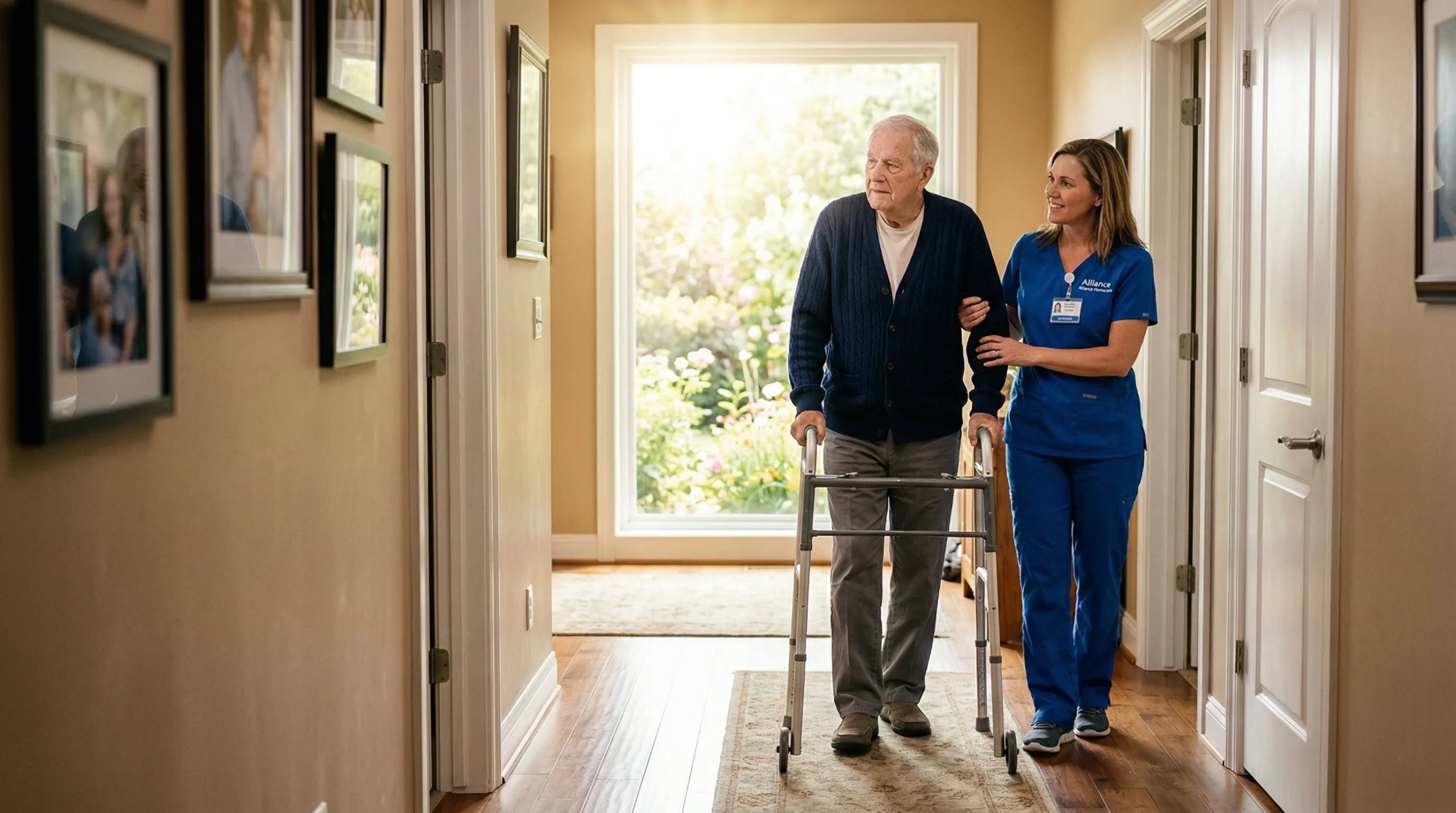
From a clinical perspective, it is important to validate that blood pressure is naturally reactive. However, when the reaction becomes the norm, the environment plays a critical role. This is where the value of a compassionate Home Health Aide (HHA) extends beyond simple companionship. By having a calm, professional presence in the home, we can prevent that initial “anxiety spike.” An aide provides reassurance during the measurement process, ensuring that a temporary rise in numbers doesn’t spiral into a stressful event, helping to keep the patient’s baseline state much calmer.
Decoding Labile Hypertension: What Causes Blood Pressure to Fluctuate?
To manage heart health effectively, we must first understand what we are dealing with. Labile hypertension is distinct from standard high blood pressure. While traditional hypertension is a consistently high reading, labile hypertension is characterized by sudden, rapid changes—peaks and valleys that can be difficult to manage with medication alone.
The Role of Stress in Environmental Spikes
While physiological factors play a part, stress is often the primary driver of these spikes. When we ask what causes blood pressure to fluctuate so wildly, the answer is frequently found in the patient’s immediate environment. A ringing phone, a cluttered hallway, or the mental load of managing a household can trigger the release of cortisol and adrenaline. For a senior with a sensitive vascular system, these minor stressors translate instantly into vascular constriction and a spike in pressure.
How Daily Routine Impacts Your Heart
The heart craves predictability. Irregular sleep patterns, missed meals, or a chaotic daily schedule can wreak havoc on your cardiovascular system. This is where an Alliance Home Health Aide becomes a crucial part of the care plan. By managing the “household chaos”—screening visitors, organizing the day, and maintaining a serene atmosphere—the aide effectively lowers the ambient stress level of the home. When the environment is stable, the heart has a better chance of remaining stable too.
Maintaining Stability in the Elderly
Why Aging Arteries Need Consistency
As we age, our arteries naturally lose some of their elasticity, becoming stiffer. This means the body is less efficient at absorbing the “shock” of blood flow changes, causing fluctuating blood pressure in elderly patients to be more pronounced than in younger adults. A minor stressor that a 40-year-old body might ignore can cause a significant reaction in an 80-year-old’s vascular system.
The Danger of “Chasing the Numbers”
One of the biggest risks we warn families about is the tendency to “chase the numbers”—panicking at a high reading and over-medicating, or skipping a dose because a reading seems low. This can lead to dangerous instability. Fluctuating bp requires a steady hand. An HHA ensures consistency by providing gentle medication reminders at the exact times prescribed by the physician. This adherence ensures the patient stays on the steady clinical path intended by their doctor, rather than reacting impulsively to moment-to-moment changes.
Ensuring Accurate Tracking: The Importance of the Home Log
Proper Measurement Technique at Home
Clinical decisions are only as good as the data they are based on. Unfortunately, we find that what causes fluctuation in blood pressure readings is often simple human error. Taking a reading while talking, crossing legs, or sitting in a chair without back support can artificially inflate the numbers. If a doctor changes a prescription based on these faulty readings, it can do more harm than good.
How an Aide Assists with Daily Records
This is where professional support is invaluable. Our Home Health Aides are trained to assist with the logistics of accurate monitoring. They ensure the patient is seated correctly, has rested for five minutes before the cuff inflates, and is in a calm state. Furthermore, they diligently log the fluctuation in blood pressure readings. By maintaining an accurate, written log of these numbers alongside the time of day and activity level, they provide the medical team with a clear, reliable picture of the patient’s health.
Reducing Spikes Through Heart-Healthy Habits
The Impact of Sodium and Diet on Stability
Dietary missteps are a common culprit behind rapid fluctuations in blood pressure. Hidden sodium in processed foods or irregular hydration can cause fluid retention, increasing blood volume and pressure almost immediately. For families trying to manage this alone, policing a diet can feel like a battle.
When an Alliance aide handles meal preparation, this friction disappears. The aide ensures that meals are not only nutritious but strictly adhere to the low-sodium guidelines set by the cardiologist. By controlling the ingredients “from the kitchen up,” we address one of the major blood pressure fluctuation causes at its source. It transforms dietary restrictions from a burden into a seamless part of the daily routine.
The Alliance Advantage: Stability Through Daily Support
Removing the Burden of Daily Stressors
Ultimately, treating blood pressure that fluctuates from high to low is about conservation of energy. Every ounce of energy a patient spends worrying about laundry, housekeeping, or scheduling appointments is energy taken away from physical regulation and healing.
This is the Alliance pivot: we view our home health aides not just as caregivers, but as stability partners. When a patient knows that the light housekeeping is done, the linens are fresh, and the fridge is stocked, the psychological weight lifts. A patient who isn’t overwhelmed by the mechanics of daily living is a patient with a naturally slower pulse and a more stable heart. We create the environment where health can thrive.
Learn more about our Home Health Aide Services.
Conclusion: Finding Peace of Mind in Your Heart Health
Managing fluctuating blood pressure is not just about the numbers on a monitor; it is about the life you live between those readings. Stability is achieved through a combination of medical adherence, a heart-healthy lifestyle, and, crucially, a calm environment.
You do not have to navigate the spikes and uncertainties alone. With the right professional support, the home can return to being a sanctuary of peace rather than a source of stress. If you are looking for a comprehensive approach to stabilizing heart health for yourself or a loved one, please contact us at Alliance Homecare. Let us help you create the calm foundation your heart needs or contact us directly at 646-790-5116.