
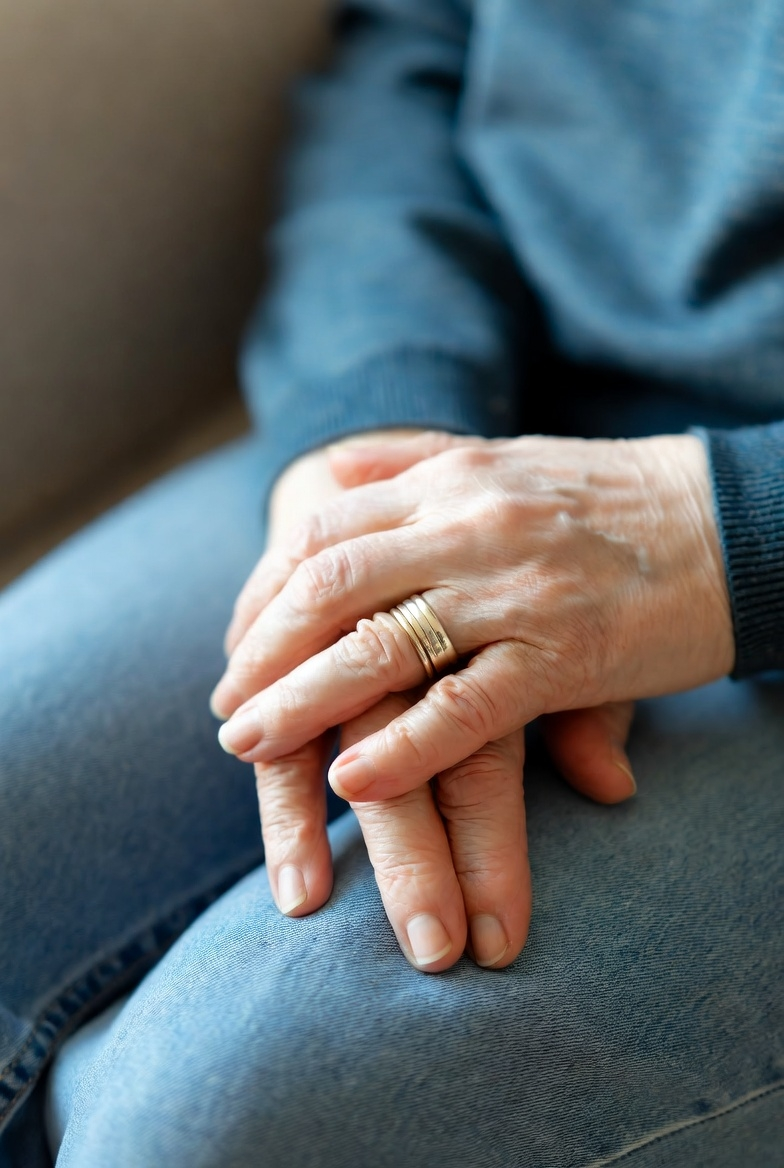
If you or a loved one has noticed a persistent tremor in your hands, head, or voice, you’re likely concerned about the cause. Understanding the signs is step one in the process of seeking out a diagnosis and learning about specialized care options.
When Shaking Becomes a Concern
Tremors can impact your daily life and cause anxiety, especially when you’re not clear on what’s causing them. Is it Parkinson’s? Or could it be something else like essential tremor?
Both conditions are common as we age, and while they may look similar, they’re actually quite different. Knowing the difference can lead us to better treatment, better support, and peace of mind.
Let’s take a look at essential tremor vs Parkinson’s symptoms and at how families in New York City can access expert at-home care.
What is Essential tremor?
Essential tremor is the most common movement disorder. It typically causes rhythmic shaking when someone is trying to do something like hold a cup, button a shirt, or write. This is referred to as an action tremor.
Quick Profile
- It can be hereditary.
- It can affect both hands and may involve the head of voice.
- It rarely includes symptoms like stiffness or balance problems.
- It can begin at various ages, sometimes appearing in early adulthood or midlife and typically progresses slowly.
Essential tremor isn’t dangerous, is not a form of Parkinson’s, and is not neurodegenerative. But it can interfere with everyday activities.
Fortunately, there are effective treatments. We’ll take a look at care options further down below, including how to access specialists who can help manage symptoms.
What is Parkinson’s?
Parkinson’s is a progressive neurological condition that causes a tremor most noticeable when the body is at rest. In fact, it’s called a resting tremor. It often starts on one side and may look like the fingers doing a pill rolling motion. But tremors aren’t the only symptom.
Quick Profile
- It can cause slowness of movement (bradykinesia). It can manifest as difficulty with starting to move, reduced speed, repetitive actions (like finger tapping), a decrease in spontaneous movements (like blinking or facial expressions, or shuffling steps while walking.
- It can also cause stiffness (rigidity) in the limbs, neck, or trunk, leading to aches or pain.
- It can affect balance and coordination. This can increase the risk of falls.
- It can cause non-motor symptoms like fatigue, sleep issues, changes in mood, and cognitive changes. It can also lead to dementia in the later stages.
Tremors in Parkinson’s may decrease or even disappear during voluntary movement.
Parkinson’s progresses gradually, with symptoms getting worse over time. Its cause isn’t known, but it’s believed to be a combination of genetics and environmental factors.
Spotting the Differences
Here are some helpful ways you can tell essential tremor and Parkinson’s apart:
- When it happens: Essential tremor shows up when you’re doing something. Parkinson’s shows up when you’re at rest.
- Where it starts: Essential can affect both hands. Parkinson’s usually starts on one side.
- What else is happening: Essential tremor mostly involves tremor. Parkinson’s comes with other movement challenges like stiffness and slowness.
A movement disorder specialist can help you or your loved one understand the full picture of symptoms and recommend the right path forward.
Diagnosis Tremors
Getting the right diagnosis starts with the right specialized team.
The Diagnostic Process
Medical History: A movement disorder specialist in New York will review your symptoms, including when the tremor started, what makes it better or worse, which body parts are affected, family history of tremor or neurological conditions, and current medications.
Neurological Examination: A neurologist will evaluate your tremors, assess your muscle tone for rigidity, check your movement speed, test balance and gait, and look for other neurological warning signs.
Other Causes: A physician will consider and rule out other potential causes of tremor.
Diagnostic Imaging: This may include MRI scans, a specialized imaging test called a DaTscan.
Leveraging New York’s Resources
If you’re in the New York area, you have access to some of the top neurologists and movement disorder specialists in the country. Major hospitals and academic institutions often have dedicated movement disorder centers that offer comprehensive evaluation, advanced diagnostic tools, and multidisciplinary care teams. Consulting a movement disorder specialist in New York means your evaluation will be based on the latest understanding of the conditions and the diagnostic criteria. That means you can count on a precise diagnosis and tailored care plan.
Treatment Options that Fit Your Life
While there is currently no cure for either essential tremor or Parkinson’s, there are treatments that can help you manage your symptoms and keep your quality of life.
For essential tremor treatment, medications like propranolol or primidone are often effective. Other options like gabapentin, topiramate, or benzodiazepines may be options as well.
For Parkinson’s, a treatment focuses on restoring your dopamine levels with medications like levodopa and carbidopa, physical, occupational, and speech therapies, and stress management. High-intensity approaches like focused ultrasound or deep brain stimulation surgery may be considered as well.
Navigating Care Options in New York
If you’re feeling overwhelmed, know this: you don’t have to go through this alone. Alliance Homecare offers in-home care providers in New York who can work with your healthcare team to provide compassionate, professional support for your and your loved one.
Whether you’re in the early stages of noticing a tremor or actively caring for someone with a diagnosis, asking questions and seeking expert help is a powerful first step. We’re here to support your Parkinson’s care or essential tremor care with tailored support for daily activities, medication reminders, companionship and help you maintain your independence.
Frequently Asked Questions (FAQ)
Q1: Can essential tremor turn into Parkinson’s?
A: No, essential tremor does not turn into Parkinson’s. Essential tremor vs Parkinson symptoms are similar in some ways, but Parkinson’s involves slowness, stiffness, and balance issues due to the loss of dopamine-producing cells. It is possible, though uncommon, for an individual to have both conditions independently.
Q2: Is head tremor more common in essential tremor or Parkinson’s?
A: Head tremor (often a “yes-yes” or “no-no” shaking) is relatively common in essential tremor, but uncommon in Parkinson’s.
Q3: Why is seeing a movement disorder specialist important for diagnosis?
A: Movement disorder specialists are neurologists with specialized training. Their expertise allows for a more thorough evaluation of essential tremor vs Parkinson symptoms. They are familiar with subtle signs, the latest diagnostic tools, and the full range of treatment options, including home care for Parkinson’s and essential tremor.