
In the world of geriatric care, ethical decision-making is often one of the most complex—and least discussed—aspects of the job. While clinical skills and protocols are essential, it’s the gray areas of care that test a professional’s judgment and compassion the most.
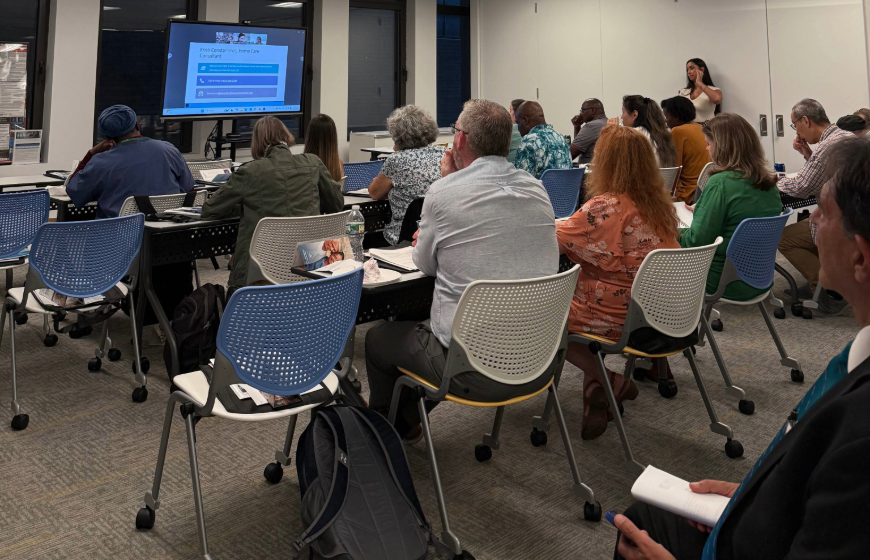
On July 23, Alliance Homecare hosted a continuing education event, bringing together nearly 30 social workers and certified case managers, to explore this subject.
Opening the Conversation Around the Ethics in Elder Care
The evening began with a warm welcome and introduction from Krystal Vias, MPH, Director of Learning and Development, at Alliance Homecare. She set the tone for the event by addressing the weight of the topic and the responsibility carried by those in the field.
“Ethical concerns in geriatric care come up more often than people realize—and yet they’re not always openly discussed,” Krystal noted. “These are the kinds of conversations we need to have more of in our field. They help us reflect, grow, and ultimately provide better, more thoughtful care to the individuals and families we serve.”
Her words struck a chord with many in the room, who later shared that they often face complex decisions in their roles that require balancing patient autonomy, family dynamics, cultural considerations, and legal obligations.
Interactive Learning with Real-world Application
The first speaker, Jennifer Benjamin of Family First Home Companions, joined virtually and delivered an engaging and highly interactive session. She walked attendees through several real-world case studies, ethical dilemmas, and multiple-choice scenarios designed to spark discussion and deepen reflection.
Her presentation focused on five key objectives:
- Define core ethical principles in geriatric care
- Identify common ethical challenges faced by healthcare professionals
- Explore strategies for navigating complex situations with compassion
- Discuss best practices through real-world case studies
- Strengthening ethical decision-making skills in the field
Jennifer encouraged participants to actively think through difficult situations by presenting thought-provoking choices and facilitating discussion around each.
“Ethical challenges don’t always come with clear answers,” Jennifer shared. “But the more we prepare ourselves through education and open discussion, the better we can respond.”
Topics ranged from navigating family disagreements over a patient’s care plan, to addressing signs of neglect, to managing boundaries when a client’s cognitive capacity is in question.
Legal Insights that Support Ethical Care
Following Jennifer’s session, Ronald Fatoullah, Esq. of Meltzer Lippe provided a legal perspective on ethics in elder care. His presentation explored the legal complexities professionals may encounter, including guardianship, healthcare proxies, and end-of-life planning—and emphasized the importance of aligning ethical care with legal responsibility.
Ron provided clear explanations of legal responsibilities and boundaries, as well as guidance on how to navigate situations where the law may not fully align with what feels ethically right. Attendees walked away with a stronger understanding of how to advocate for their patients while also protecting themselves and their organizations.
Looking Ahead: Supporting Ethical Excellence in Care
This event was more than just a CEU opportunity—it was a reminder of the importance of ongoing dialogue, community, and professional development in the field of elder care. Attendees left with not only new tools and frameworks, but also a renewed commitment to ethical excellence in their daily work.
At Alliance Homecare, we’re honored to host conversations that matter. We remain deeply committed to supporting the professionals who care for older adults and to creating spaces where learning and reflection lead to better outcomes for everyone involved.
Learn more about senior home care solutions with Alliance.