A fall can be a life-altering event for an older adult, often marking the line between independent living and a cascade of health complications. According to the Centers for Disease Control and Prevention (CDC), falls are the leading cause of injury and injury-related death among adults aged 65 and older. More than one in four older adults will fall this year, making fall prevention a critical public health issue. These events are a profound threat to health and can significantly reduce an individual’s ability to remain independent.
However, a dangerous misconception persists: that falling is an inevitable part of aging. The overwhelming evidence shows this is false. Most falls are predictable and, therefore, preventable. The gap between the high rate of falls and their preventability highlights a need for a more structured, personalized approach. Effective fall prevention for seniors moves beyond generic advice and implements a proactive, multi-layered strategy. This guide details the expert-led, comprehensive approach required to safeguard senior independence, a philosophy championed by professional agencies like Alliance Homecare, which focuses on empowering the fall prevention for elderly to live safely and confidently in their own homes.
Understanding the Risks and Consequences of Falls in Older Adults
Preventing falls in elderly populations begins with a clinical understanding of why they happen and the full scope of their consequences. The risk is not singular but a complex interplay of factors, and the impact extends far beyond the initial physical injury, especially in complex urban environments.
Common Risk Factors for Falls
Fall risk is broadly categorized into two types: intrinsic (person-specific) and extrinsic (environmental) factors.
Intrinsic factors relate to an individual’s health and physical condition. These include:
Chronic Health Conditions: Conditions like arthritis, diabetes (especially with neuropathy), cardiovascular disease, and cognitive impairments like dementia significantly increase fall risk.
Polypharmacy: The use of multiple medications is a major risk factor. Taking four or more medications can significantly elevate risk. Drugs that affect the central nervous system, such as sedatives, benzodiazepines, antidepressants, and some antihypertensives, are especially high-risk.
Physical and Sensory Impairment: Muscle weakness, poor balance, gait difficulties, and impaired vision or hearing are all primary contributors to instability.
History of Falls: An individual who has fallen once is significantly more likely to fall again.
Extrinsic factors are environmental hazards. In the home, these are often poor lighting, loose rugs, clutter, slippery floors, and electrical cords in walkways.
For seniors in urban areas like New York and New Jersey, these extrinsic risks are amplified. The “built environment” itself—including streets designed primarily for cars, uneven sidewalks, poor public lighting, and complex building navigation (lobbies, stairs, public transit)—presents a constant, high-stakes challenge.
A critical error in assessing risk is treating these factors as additive. The evidence suggests the risk is multiplicative. According to one analysis, the one-year fall risk can double with each additional risk factor, rising from 8% with no factors to 78% with four. The following table illustrates how these risks build upon one another to create a high-risk cascade.
Example of Multiplicative Fall Risk
Risk Factor | Individual Risk | Combined Risk (Description) |
Baseline (No factors) | Low (8%) | |
+ Chronic Pain (e.g., Arthritis) | Moderate | Pain causes an individual to hesitate or alter their gait. |
+ Polypharmacy (e.g., Sedative) [8] | High | The individual is now in pain and experiences dizziness or sedation from medication. |
+ Environmental Hazard (e.g., Poor lighting) | Very High | The individual is sedated, in pain, and cannot see a tripping hazard in their path. |
+ Fear of Falling | Extreme (Up to 78%) | The individual is dizzy, in pain, and cannot see clearly, causing them to move with a stiff, hesitant gait that fatally compromises their balance. |
The Physical and Emotional Impact of Falls
The consequences of a fall are immediate and can be permanent. Physically, falls are the most common cause of traumatic brain injuries (TBI) in older adults. They account for over 95% of all hip fractures, an injury that is notoriously difficult to recover from and often leads to a significant decline in mobility. The data for New York State is particularly stark: falls result in 140 hospitalizations per day, and 60% of those seniors end up in a nursing home or rehabilitation center. This statistic draws a direct line from a single fall to a catastrophic loss of independence.
Equally damaging is the emotional impact. A fall, or even a near-fall, often instills an intense “fear of falling” (FoF). This fear is a primary driver of a dangerous, self-perpetuating cycle:
Fear of Falling: An older adult, afraid of a repeat incident, consciously or unconsciously limits their physical activity.
Physical Deconditioning: This self-imposed limitation leads to social isolation, muscle atrophy (sarcopenia), and a loss of balance and coordination.
Increased Fall Risk: This weakened, deconditioned state dramatically increases the person’s actual risk of falling.
Another Fall: The increased risk leads to another fall, which validates and intensifies the initial fear, and the cycle repeats.
In dense urban environments, this cycle is often accelerated. The intimidating nature of busy streets, uneven pavement, and crowded public spaces can amplify the fear of going outside, leading to more profound isolation and deconditioning, which ultimately makes the senior more vulnerable to a fall even within their own home.
Key Strategies for Fall Prevention at Home
Effective fall prevention for elderly requires a multi-layered safety net that addresses the individual, the environment, and the tools they use to navigate it. This system combines clinical interventions, practical home modifications, and the proper use of assistive equipment.
Evidence-Based Nursing Interventions to Reduce Fall Risk
This is the clinical, professional layer that forms the foundation of any serious fall prevention plan. These nursing interventions to prevent falls in older adults are guided by evidence-based protocols, such as the CDC’s STEADI (Stopping Elderly Accidents, Deaths, & Injuries) initiative.
Key interventions include:
Clinical Strength and Balance Assessments: A registered nurse or physical therapist will conduct validated tests to establish a baseline and identify specific deficits. These include the “30-Second Chair Stand Test” to assess leg strength and endurance , the “4-Stage Balance Test” to assess static balance , and the “Timed Up and Go (TUG)” test to evaluate dynamic balance, gait, and mobility.
Medication Management: This is a critical intervention. A clinician reviews a senior’s entire medication list—including prescriptions, over-the-counter drugs, and supplements—to identify and, in consultation with their physician, reduce or eliminate high-risk medications. This includes psychoactive drugs, sedatives, and others known to cause dizziness or confusion.
Chronic Condition Monitoring: The clinical team provides ongoing oversight of conditions that contribute to fall risk. This includes monitoring for postural hypotension (a drop in blood pressure upon standing), managing blood sugar to prevent diabetic neuropathy, and addressing arthritis pain that can lead to immobility.
Exercise Recommendations: Based on the assessment, clinicians will recommend specific, evidence-based exercise programs. The most effective programs combine balance, strength, and gait training. Tai Chi is repeatedly cited in research as a highly effective, low-impact exercise for improving balance and reducing fall risk.
Practical Home Safety Modifications and Techniques
The second layer of the safety net involves adapting the environment to remove hazards. This fall prevention at home in the elderly is a practical process of systematic hazard removal, room by room, based on guidelines from the CDC and the National Institute on Aging (NIA).
A comprehensive home safety checklist includes:
Floors, Hallways, and Stairs:
- Remove all throw rugs and small area rugs, or firmly secure them to the floor with double-sided tape.
Clear all clutter, including papers, boxes, and especially electrical or phone cords, from walkways.
Ensure bright, non-glare lighting in all hallways and stairwells, with light switches at both the top and bottom of the stairs.
Install secure handrails on both sides of all stairways.
Bathrooms (The Highest-Risk Room):
- Install secure grab bars inside the shower or tub and next to the toilet. Towel racks are not a substitute.
Place non-slip mats or self-stick strips on the floor of the tub or shower.
Use a sturdy plastic bath seat or shower chair and a hand-held shower nozzle to allow for seated bathing.
Install a nightlight to illuminate the path to and inside the bathroom.
Bedrooms and Kitchen:
- Place a lamp and a phone within easy reach of the bed.
Ensure the path from the bed to the bathroom is clear and illuminated.
In the kitchen, store frequently used items on lower shelves (between waist and shoulder height) to avoid the need for step stools.
Clean up any spills immediately.
Effective Fall Prevention Equipment and Assistive Devices
The third layer includes equipment that supports mobility and enhances safety. This fall prevention equipment for elderly should be selected based on the individual’s specific needs, not as a one-size-fits-all solution.
Key categories include:
Mobility Aids: Canes, walkers, and rollators provide stability. It is crucial that these devices are properly sized and fitted by a healthcare professional, as a poorly-fitted device can increase fall risk.
Environmental Stability: These are permanent fixtures like grab bars, handrails, and, for those with significant mobility challenges, stairlifts.
Transfer Aids: These devices assist in moving safely, such as raised toilet seats (with or without armrests), bath seats, and sturdy bed rails.
Protective Gear: For individuals at very high risk, low-profile hip protectors can reduce the risk of a fracture if a fall occurs , and fall mats placed beside the bed can cushion an impact.
These three layers—clinical, environmental, and equipment—are deeply interdependent. A walker (equipment) is a hazard in a home full of clutter (environment). A grab bar (equipment) is of little use to a senior who faints upon standing due to unmanaged medication (clinical). A professional fall prevention plan ensures all three layers are coordinated to create a truly comprehensive safety net.
Creating a Customized Fall Prevention Plan
The strategies above are only effective when assembled into a coherent, personalized plan. Generic checklists fail because they do not account for the unique interplay of risks for each individual. The process of creating an effective plan involves three phases: assessment, education, and continuous monitoring.
The Importance of a Personalized Risk Assessment
A fall prevention plan must begin with a thorough, individualized risk assessment conducted by a healthcare provider. This goes far beyond a simple visual check. A clinical assessment, as recommended by organizations like the Mayo Clinic, will include:
Medication Review: A comprehensive review of all prescription drugs, over-the-counter medicines, and supplements to identify side effects and interactions that affect balance or alertness.
Fall History: A detailed discussion of any previous falls or near-falls, including when, where, and how they occurred.
Health Condition Assessment: An evaluation of specific health conditions, particularly vision and hearing problems, dizziness, joint pain, or numbness in the feet.
Physical Evaluation: A hands-on assessment of muscle strength, balance, and gait , often using validated tools like the Hendrich II Fall Risk Model or the TUG test.
This type of professional assessment is, at its core, a rejection of ageism. It operates on the clinical principle that falls are caused by modifiable risk factors (e.g., medication, weakness, hazards), not the non-modifiable fact of being “old”. It seeks to diagnose a root cause that can be treated, rather than accepting the fall as inevitable.
The Role of Family and Caregiver Education
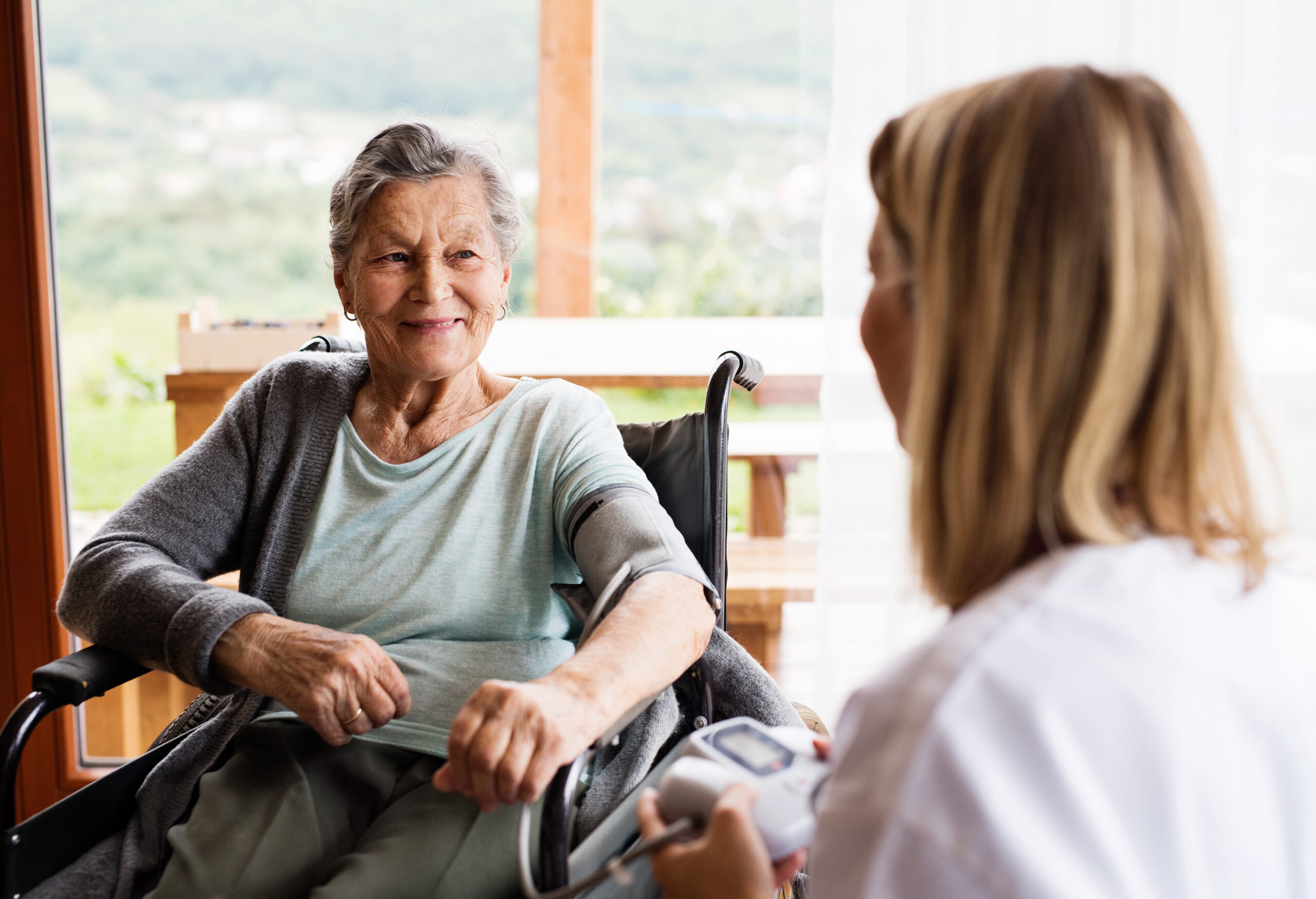
Family members and caregivers are the most crucial partners in any fall prevention for elderly at home plan. Since a clinical team is not present 24/7, educating the family is an essential intervention. Caregivers must be trained to become “fall detectives”—to identify new risks (like a new medication or a change in a senior’s confusion level) and understand how to provide support.
Excellent resources, often used by homecare professionals, include the CDC’s “Family Caregivers: Protect Your Loved Ones from Falling” brochure and “Check For Safety” home checklist , as well as the National Council on Aging’s (NCOA) “Falls Prevention Conversation Guide for Caregivers”. This education empowers the family to be an active, confident part of the prevention team.
Ongoing Monitoring and Plan Adjustments
A fall prevention plan is not a static document; it is a living care plan that must be adapted as a senior’s health changes. National guidelines recommend that all adults over 65 be screened for fall risk annually. For an individual with known risks, this monitoring must be more frequent.
A professional care plan includes scheduled reassessments to track progress and identify new challenges. This process should ideally be “co-designed” with the senior. When a senior is an active participant in setting their own goals (e.g., “I want to be able to walk to the mailbox safely”), the plan becomes a tool of empowerment rather than a list of restrictions. This “co-design” approach builds trust and dramatically improves adherence to the plan.
Technology and Innovation in Fall Prevention
The future of fall prevention for elderly is being shaped by technology, which offers new ways to detect, monitor, and even predict fall risk.
Exploring Smart Fall Detection Devices
The most common fall prevention device for elderly is the Personal Emergency Response System (PERS), often a wearable pendant or smartwatch. It is crucial to understand that these devices do not prevent falls. Instead, they detect a fall and automatically summon help.
This rapid response is vital, but the devices have a cost. Basic monitoring typically ranges from $20 to $40 per month, with automatic fall detection adding $10 to $12. Their accuracy can vary, with studies showing a range of 80% to 95%. For seniors at high risk, with a history of falls, or who live alone, experts agree these devices are a worthwhile investment in safety. For healthier seniors who live with a spouse or caregiver, they may not be necessary.
Integrating Telehealth and Remote Monitoring
The more advanced and proactive use of technology lies in telehealth and Remote Patient Monitoring (RPM). This technology allows clinicians to monitor a senior’s health and safety from a distance. Evidence is already showing its effectiveness. One study on Remote Visual Monitoring (RVM) in a health system found a 39.15% reduction in falls with injury. Another on RPM demonstrated a 33.7% reduction in falls. This technology can be used to remotely coach seniors through balance exercises or use smartphone sensors to monitor changes in gait.
The cutting edge of this field is predictive analytics. Researchers are now using machine learning to analyze health records and insurance claims data to identify individuals at high risk for a fall, in some cases up to two years in advance. While this technology is still in its infancy in aged care , this data-driven, predictive mindset informs the expert approach to fall prevention—looking for the subtle, early warning signs that can precede a fall.
Addressing Challenges and Barriers in Fall Prevention
The most sophisticated fall prevention plan will fail if it is not adopted by the senior. The greatest challenges are often human, not technical, and center on the delicate balance between autonomy and safety.
Overcoming Resistance to Safety Measures
It is common for seniors to resist safety measures, particularly the use of a walker, cane, or the installation of grab bars. This resistance is rarely about the object itself; it is about identity. As one resource notes, “Few people think of themselves as old or disabled”. A walker can feel like a public admission of frailty and a loss of self.
Forcing the issue is counterproductive. A compassionate, strategic approach is required:
Start an Open Conversation: Ask empathetic, open-ended questions to understand their specific fears and objections. Listen more than talk.
Reframe the Device: Do not call it a “crutch.” Reframe it as a “tool for independence”. A walker is not what chains them to the house; it is the tool that enables them to leave the house safely.
Discuss the Alternative: Gently contrast the minor inconvenience of a walker with the catastrophic loss of independence that would result from a fall and a hip fracture.
Use a Professional’s Authority: A recommendation from a doctor or physical therapist often carries more weight than one from a family member. This also ensures the device is properly fitted.
Managing Multiple Health Conditions (Comorbidities)
As noted, fall risk is often a symptom of unmanaged or complex health conditions. Over 67% of participants in fall prevention programs have multiple chronic conditions (comorbidities). Therefore, managing these conditions is a primary form of preventing falls in elderly.
Arthritis: The link is clear: joint pain leads to inactivity, which causes muscle weakness, which in turn leads to falls. Adults with arthritis are 2.5 times more likely to fall.
Diabetes: Neuropathy, a common complication, causes a loss of sensation in the feet. This makes it difficult to sense the ground and maintain balance.
Hypertension: High blood pressure is associated with one of the highest risks for falls, often due to medication side effects like postural hypotension (dizziness on standing).
A holistic plan addresses these root causes, not just the symptom of unsteadiness.
Emotional Support and Confidence Building
After a fall, the psychological recovery is often harder and longer than the physical one. The Fear of Falling (FoF) cycle takes hold, leading to a downward spiral of inactivity and weakness.
Breaking this cycle requires a dedicated strategy to rebuild confidence:
Provide Emotional Support: Allow the senior to express their fears without judgment. Validate their anxiety as a normal and understandable reaction.
Re-Secure the Environment: Involve the senior in a thorough home safety check. Actively installing grab bars or removing rugs gives them a tangible sense of control over their environment.
Rebuild Physical Strength: This is the most important step. Enrolling in a physical therapy or a gentle, progressive exercise program (like Tai Chi) is the most direct way to rebuild confidence. As physical strength and balance return, psychological confidence follows.
Set Achievable Goals: Start small—a walk to the end of the driveway, then to the mailbox. These small victories build momentum and prove that safe mobility is possible.
Frequently Asked Questions (FAQ) on Fall Prevention
What is the first thing I should do if my elderly parent falls?
First, stay calm and instruct them to stay still. Quickly check for obvious, serious injuries like bleeding, pain, or deformity, especially to the head or hip. If a serious injury is suspected, do not move them; call 911. If they are uninjured, help them roll to their side, push up to their hands and knees, and use two sturdy chairs to slowly rise to a seated position.
How can I convince my loved one to use a walker or cane?
Use empathy, not force. Start by listening to their objections. Reframe the device as a “tool for independence” that enables them to stay active, rather than as a sign of weakness. Involve their physician or a physical therapist; a professional recommendation is more effective and ensures the device is properly fitted.
Are fall detection devices worth the cost?
They are a valuable tool for the right person. These devices do not prevent falls, but they ensure a rapid response. For seniors with a high fall risk, a history of falls, or who live alone, they provide a critical safety net. For healthier seniors who live with others, they may not be necessary.
Besides home modifications, what is the most effective way to prevent falls?
The single most effective, evidence-based intervention is physician-approved exercise. Specifically, programs that are designed to improve balance, strength, and gait are most effective. Gentle, low-impact exercises like Tai Chi have been repeatedly proven to significantly reduce fall risk in older adults.
Conclusion: Empowering Seniors for Safer, Independent Living
Falls are not accidents. They are predictable medical events that, in most cases, can be prevented. Effective fall prevention for seniors is not a single product or a generic checklist; it is a continuous, four-part process:
Professional Assessment to identify all modifiable risk factors.
Clinical Intervention to manage medications and chronic conditions.
Environmental Modification to create a safe, supportive home.
Ongoing Support to build confidence and adapt the plan as needs change.
This proactive, personalized approach is the key to breaking the cycle of fear and injury. It reframes fall prevention for elderly from a list of restrictions to a plan for empowerment. The goal is not just to prevent an injury but to protect a life—the confident, dignified, and independent life that every senior deserves to live in the comfort of their own home.
A fall can change everything in an instant. Do not wait for an emergency to react. Families can take a proactive step by seeking a professional, personalized fall risk consultation to protect their loved one’s independence and provide peace of mind.