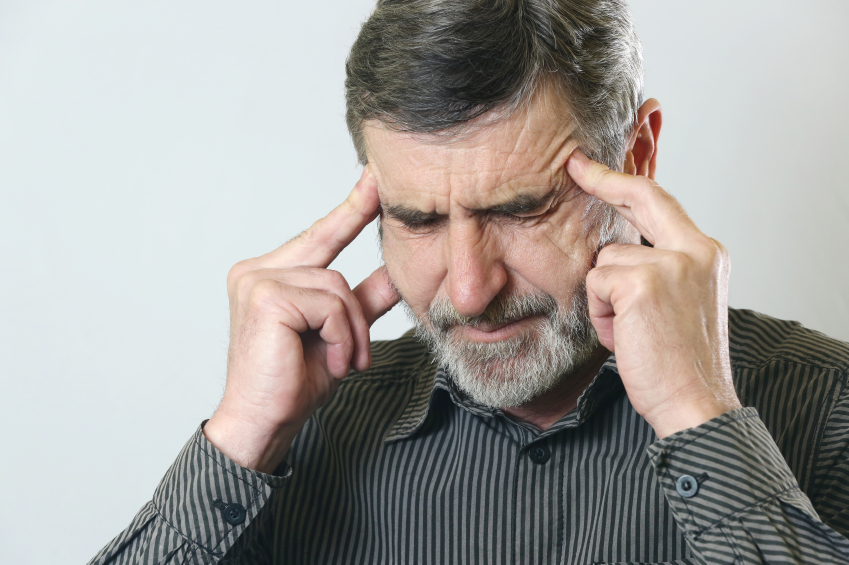
Anxiety is considered a major public health concern. Don’t be fooled by the pharmaceutical ads on TV–there is certainly no simple solution. Benzodiazepines (benzos), a class of drugs that reduce anxiety, have become a popular treatment. In fact, benzos are one of the most widely prescribed medications in the US, and older adults (age 65 and above) are the number one consumers. Despite known risks from overuse of these drugs, many older adults continue to take benzos like Xanax, Valium and Ativan on a regular basis.
The National Institute of Health is gravely concerned about this. Studies show that taking benzos long-term (a period greater than 4 months) can cause serious cognitive risk in the older adult population which impairs thinking, movement and driving capabilities. The drugs have also been connected with an increased risk for falls, subsequent fractures and Alzheimer’s Disease.
Anti-anxiety medication is a double-edged sword. It has helped many older adults live happier lives, yet not without risk. We’ve interviewed Dr. Sandy Krohn, a clinical geropsychologist, to hear his thoughts on anxiety. Dr. Krohn gives us some helpful information on how to cope.
Mia Ross, RN: Dr. Krohn, anxiety is difficult for people of all ages, but how does it manifest differently within the older adult population?
Sandy Krohn, PsyD: Thanks for having me, Mia. Like with other psychological conditions in older adults, we tend to see a strong connection between anxiety and the numerous changes associated with aging. This includes changes such as losing a loved one, having to relocate to a different geographical area, or adopting new living situations (like needing a managed care facility or aide assistance in the home). The process of retirement, which can be a happy occasion for some, can be scary and anxiety producing for others, bringing up fears about the future, or loss of income. Still, the biggest contributor to anxiety in older adults comes with the onset of one or numerous medical conditions. People start asking themselves questions such as, “What could happen to me? Will I be OK?” or “Will I be able to handle all of the changes to my body that I may experience?” “Will I never walk again?” Time and time again, in my practice, I see just how scary these thoughts can be. It can go the other way too. We see a lot of people reporting physical symptoms that may actually be an indicator of an underlying anxiety disorder.
Mia Ross, RN: The aforementioned findings from the NIH are quite alarming. Can you give our older adult readers some ways to handle anxiety without using pills?
Sandy Krohn, PsyD: The most important thing, in my opinion, is that if you are experiencing symptoms of anxiety, to tell someone about it. Not only will this help to develop ways of coping with these anxieties (such as speaking to a professional), but oftentimes, just the act of sharing it with someone you care about and cares about you can relieve some of the stress. In my work with clients suffering from anxiety, I first focus on identifying what is causing the anxiety and then helping them develop healthier ways of coping, such as learning to accept the changes that have occurred, challenging some of the irrational fears that may be causing the stress, or developing behaviors that can help to reduce the anxiety. You would be surprised how helpful just taking a deep breath can be, and research has shown that these behavioral techniques can be just as, if not more effective than medications.
Mia Ross, RN: What would you like to see change with the way anxiety is viewed and treated in the older adult population?
Sandy Krohn, PsyD: I hope that as time goes on, people feel less ashamed about experiencing anxiety and fear, and that we, as healthcare providers, do a better job of communicating the many effective ways we now have to treat it. While medications can be helpful in some situations, especially when anxiety is severe, there are so many other tools that can help without many of the risks that you mention above. The best part is that when people do something active to control their anxiety, as opposed to only taking a pill, they usually feel good about themselves and this helps to reestablish feelings of control and self-esteem; two factors paramount to psychological health and well-being.
Mia Ross, RN: Thank you so much for enlightening us, Dr. Krohn!
If you or some you love is suffering from anxiety, please contact: Sandy Krohn, PsyD at City Psychology Group by calling 646-842-9413.