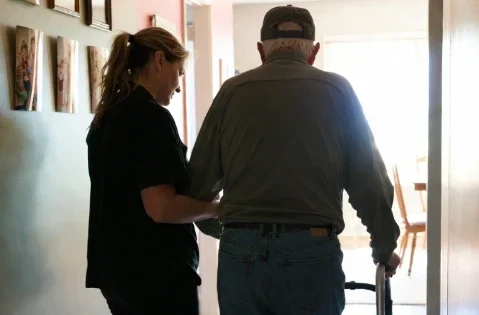

The call comes, often unexpectedly, shifting the focus of an entire household in an instant. Perhaps it is a sudden hospitalization followed by the confirmation of a serious health diagnosis or the progression of a chronic condition care plan. In that moment, families are plunged into the complex medical care journey, a path marked by confusion, fear, and a sudden influx of highly technical information. The initial shock leaves many feeling overwhelmed, struggling to absorb clinical details while simultaneously managing profound emotional distress.
This immediate reaction is universal, transforming routine family life into an unpredictable care landscape. This shift demands more than clinical treatment; it requires emotional navigation and practical support to establish stability. For many, the goal is simple: to ensure their loved one receives consistent, dignified care while maintaining the warmth and security of home. This guide aims to be a reassuring resource, validating the family’s experience and providing a clear path forward.
More Than a Patient, Forever a Family
A profound element of receiving unexpected health news is the immediate disruption of established family roles. A spouse suddenly becomes a medical administrator, or an adult daughter finds herself acting as a primary family caregiver to a parent who previously cared for her. This role reversal is deeply taxing. The daughter, previously focused on shared memories and quality time, must now track medication schedules and assist with personal care.
This transition from being a loving relative to being a primary care provider creates immense feeling overwhelmed and emotional friction, adding a significant layer of stress atop the technical demands of the new diagnosis. The medical system often focuses on the patient’s clinical needs, but the emotional truth is that the family remains a family, and preserving those relationships is vital to long-term well-being. By acknowledging the pain of this “role conversion” from the outset, it becomes clear that true comprehensive care must support the entire household, not just the patient.
Understanding the Landscape: Your Partners in the Medical World
Navigating the contemporary health care system can feel like attempting to pilot a ship through unknown waters. However, by understanding the function of each crucial partner, families can transform intimidating institutions into manageable, supportive resources. Empowerment begins with clarity regarding who does what, and when.
Your Primary Care Doctor: The Captain of Your Care Team
The primary care doctor (PCP) is the most critical medical care provider in a family’s long-term health plan, serving as the “captain” of the overall care team. Their role extends far beyond routine checkups; PCPs are central to chronic condition care management. They not only address immediate symptoms but also focus heavily on preventive care, educating patients on risk factors and recommending necessary screenings to prevent existing conditions from escalating.
For individuals managing multiple chronic illnesses, the PCP is the essential central point of contact. They coordinate treatment plans involving various specialist care providers, therapists, or dietitians, ensuring that all aspects of care are aligned and integrated. This centralized coordination function is critical for creating personalized treatment plans that include medication, evidence-based therapies, and lifestyle modifications, ultimately strengthening overall care and support.
Specialists, Hospitals, and Urgent Care: Assembling Your Support System
Beyond the PCP, a family’s support system includes specialist care providers, hospitals, and immediate access points like urgent care centers. Understanding the distinction between urgent care and emergency care is essential for appropriate utilization of resources and for preventing unnecessary, costly, and time-consuming emergency room visits.
- Urgent Care vs. Emergency Care: Urgent care facilities are best suited for non-life-threatening illnesses or injuries that require prompt attention, typically within 24 to 48 hours. This includes conditions such as the flu, seasonal allergies, sprains, minor cuts requiring sutures, or respiratory infections. Conversely, emergency departments (EDs) are reserved for medical or psychiatric conditions requiring immediate attention to prevent serious harm. Situations like chest pain, stroke symptoms, severe trauma, poisoning, or major burns necessitate the resources of an emergency medicine doctor in the ED. Utilizing urgent care for minor issues ensures shorter wait times and lower out-of-pocket costs compared to an ED visit. Clear, structured distinction guides families in making rapid, informed decisions during moments of potential crisis.
Table Title: How to Determine Which Immediate Care You Need?
Situation Type | Applicable Place: Urgent Care Center (Urgent Care) | Applicable Place: Emergency Department (Emergency Department) |
Examples | Flu, minor cuts needing sutures, sprains, persistent fever, Urinary Tract Infections (UTI), upset stomach | Severe bleeding, chest pain or heart attack symptoms, stroke symptoms, poisoning, major burns, seizures, fractures |
Severity | Non-life-threatening, usually needs attention within 24 to 48 hours | Life-threatening or potentially causing permanent injury, requiring immediate medical resources |
Cost and Wait Time | Generally lower cost; shorter wait times | Higher cost; longer wait times (Hospitals prioritize the most critical patients) |
The Language of Care: Terms Every Family Should Know
Grasping the terminology used by medical professionals helps families feel less intimidated and more empowered. One foundational concept is chronic condition care. Chronic conditions are defined as medical conditions that persist for one year or more, requiring ongoing medical attention and/or limiting a person’s activities of daily living (ADLs). Statistics show that the vast majority of older adults are affected, with over 90% of those aged 65 and older having at least one chronic condition.
Furthermore, advancements in technology have introduced telemedicine as a vital tool. Telemedicine uses telecommunications technologies to support the delivery of medical, diagnostic, and treatment-related services by doctors. Telehealth is a broader term that includes a wider variety of remote services. For patients with mobility limitations or those living in rural areas, telemedicine provides a crucial avenue for maintaining contact with their medical care provider without the stress of frequent in-person appointments.
The Unseen Gap: Why Coming Home is Only Half the Journey
The moment a patient is discharged from the hospital, families often breathe a sigh of relief, believing the hardest part is over. In reality, the transition from clinical stability in a hospital to full recovery and healing at home marks the beginning of a challenging period, often referred to as post-hospital care. This phase exposes a significant gap between professional hospital treatment and the independent management of complex needs in a home environment.
The Quiet Challenges After Discharge
Discharge is frequently the most vulnerable period for patients. Hospital recovery focuses on acute medical issues, but it often does not fully restore functional independence. Research indicates that many older adults experience new disabilities in their activities of daily living (ADLs) following hospitalization for serious illnesses. ADLs include fundamental tasks such as bathing, dressing, walking, and using the toilet.
The inability to perform ADLs safely carries significant risk. Studies confirm that 40% of older adults living alone and 62% of those living with others had at least one new ADL dependency after leaving the hospital. Patients who were ADL-dependent, particularly those who live alone, face a substantially higher likelihood of negative outcomes, including being 3.5 times more likely to be admitted to a nursing home within one month of hospitalization. This reality underscores the critical need for robust, consistent support immediately following discharge to prevent further decline and institutionalization.
Managing Medications and New Routines
One of the most complex and dangerous hurdles families face during post-hospital care is managing medications at home. Patients often leave the hospital with a revised and lengthened list of prescriptions, making medication reconciliation difficult for untrained family members.
The potential for error is alarmingly high. Studies analyzing medication conciliation after hospital discharge found that 73.7% of patient records contained discrepancies, with a shocking 50.6% being classified as medication errors. The most common errors include medication omission or incorrect dosages. These mistakes are not benign; they contribute to Adverse Drug Events (ADEs). Nearly 20% of adult and elderly patients are affected by ADEs post-discharge, often involving critical drug classes like cardiovascular drugs and antidiabetics. This systematic lack of accurate, professional oversight during a critical transition period places an enormous and high-risk burden entirely on the unprepared family.
The Emotional Toll on Family Caregivers
The stress inherent in providing in-home medical care and daily support, particularly in high-intensity situations, often leads to severe caregiver burnout. The caregiving role itself possesses all the features of a chronic stress experience: it involves prolonged psychological strain, high levels of unpredictability, and the capacity to create secondary stress across multiple life domains, including work and family relationships.
The impact is quantifiable and significant. A high percentage of family caregivers report extreme stress: 64% report high emotional stress , and 45% report high physical strain. This unrelenting pressure means nearly a quarter of caregivers report difficulty caring for themselves, undermining their own health and long-term ability to sustain the care role. Furthermore, research demonstrates a direct correlation between the intensity of caregiving and the severity of distress: higher hours of care are significantly linked to higher levels of stress and perceived subjective burden. The emotional toll risks a systemic erosion of the family unit, as the continuous effort required for practical care overshadows the fundamental need for familial connection and self-care.
Table Title: Quantitative Data on Family Caregiver Stress and Physical Strain
Metric | Ratio/Trend | Impact Explanation |
Report High Emotional Stress | 64% | Significantly increased anxiety, depression, and diminished ability to fight off illness |
Report High Physical Strain | 45% | Leads to chronic fatigue, decreased immune function, and personal health problems |
Difficulty Caring for Self | Nearly 25% | Indicates impaired caregiver well-being, difficulty maintaining personal health, affecting long-term care ability |
Hours and Stress Correlation | Higher hours of care linked to higher levels of stress and perceived subjective burden | Evidence that full-time/high-intensity care (40+ hours per week) is a continuous stressor |
Building the Bridge to Wholeness: The Heart of Professional Home Care
Recognizing the “unseen gap” between hospital discharge and full home recovery clarifies the essential role of professional home care. This service acts as the necessary bridge, providing stability, safety, and emotional capacity back to the family unit. Crucially, Alliance Homecare’s scope is designed to address this gap by providing full-spectrum care, from essential daily assistance to advanced Private Duty Nursing (PDN), elevating safety and clinical oversight to an institutional level.
More Than Assistance: The Gift of Professional Companionship
The value of professional home care extends far beyond physical assistance with activities of daily living (ADLs) such as bathing, dressing, or meal preparation. For many seniors, especially those managing a chronic condition care regimen or living alone, the profound benefits lie in companionship and emotional support. A professional caregiver serves as a patient listener, providing a safe, non-judgemental space for the individual to express fears, anxieties, or memories. This consistent, reassuring presence provides emotional support that significantly reduces feelings of loneliness and isolation.
Furthermore, companionship is vital for maintaining cognitive function. Social interaction and mental stimulation, facilitated by engaging conversations, hobbies, or games with a caregiver, can help keep a senior’s mind sharp. Studies have shown that staying socially active promotes cognitive resilience and reduces the likelihood of developing conditions like dementia or Alzheimer’s. These senior care services enhance the individual’s quality of life, transforming recovery into a more engaging and fulfilling experience.
The Eyes and Ears of the Care Team: Observation and Communication
One of the most critical aspects of professional care is the role of the caregiver as the “eyes and ears” of the medical team. Unlike family members, professional caregivers are trained to possess exceptional observation skills and attention to detail. They are consistently present and trained to monitor small but crucial changes in the patient’s condition that a busy family member might miss—subtle shifts in mood, appetite, gait, or response to in-home medical care.
For patients requiring the highest safety level, Alliance Homecare provides Private Duty Nursing (PDN). These licensed professionals (RNs/LPNs) are qualified to handle complex clinical tasks typically confined to hospitals. Their presence allows for:
- Meticulous Medication Management: Performing crucial medication reconciliation and administering complex drug regimens, including injections or IV therapy. This clinical precision directly mitigates the high risk of medication errors identified post-discharge.
- Disease Management: Providing continuous vital sign monitoring and targeted disease management education for conditions like heart failure or diabetes.
This high-level, clinical oversight ensures the professional caregiver is equipped to promptly communicate specific observations to the doctor or medical care provider. This crucial feedback loop facilitates timely adjustments to the patient’s care plan, serving as a powerful preventative measure against minor issues escalating into emergency hospitalizations.
Restoring Balance: Allowing a Daughter to be a Daughter Again
The greatest humanitarian value of caregiver support is its ability to restore healthy family dynamics. When a family member assumes the full burden of care—especially the high-risk clinical tasks—the foundational relationship is strained. The professional caregiver, particularly the PDN nurse, relieves this pressure by stepping in to manage the practical and clinical, high-stress tasks.
By shouldering these responsibilities, professional care creates the emotional space necessary for family members to return to their natural, loving roles. One parent noted that Private Duty Nursing allowed her to “just be a mom, not a nurse or therapist”. The time previously spent on arduous care tasks can now be dedicated to quality interaction: sharing memories, engaging in conversation, and simply being present together. This strategic shift ensures that the provision of senior care services does not come at the cost of the family’s well-being and allows family members to return to focusing on emotional connection.
Finding Your Path Forward with Confidence and Support
Navigating the medical care journey requires not only clinical expertise but also logistical competence and emotional resilience. Moving forward with confidence means embracing the concept that effective long-term care planning involves creating a robust circle of professional and personal family support.
What to Look for in a Home Care Agency
When finding home care, families should exercise due diligence, viewing the selection process as a partnership building exercise. The right agency is one that offers a customized, worry-free experience aimed at ensuring quality of life. Families should ask specific, detailed questions to assess the agency’s quality and reliability.
Key criteria for selecting a high-quality home care provider include:
- Service Scope and Customization: Does the agency specialize in both non-medical home care and high-level Skilled Nursing (PDN) to meet complex ADLs and medical needs?
- Professional Qualifications and Oversight: Are the care providers employees of the agency, or independent contractors? Quality agencies ensure their staff—including RNs and LPNs—are bonded, insured, and undergo thorough background checks and continuous training.
- Communication and Reliability: Does the agency offer 24/7 availability for urgent issues? Is there a reliable mechanism for providing backup staff if the primary caregiver is unavailable, thus guaranteeing service consistency?
- Integration with Medical Team: Does the agency commit to working collaboratively with the primary care doctor to establish and update the patient’s care plan, with a clinical nurse serving as the main liaison?
A Circle of Support for Your Entire Family
Seeking professional help is not a declaration of failure or weakness; it is a strategic decision and a powerful act of love and strength. You have successfully navigated the shock of diagnosis and the complexity of the medical system. Now, let Alliance Homecare create the sustainable long-term care planning model that secures consistent, dignified attention for your loved one while guaranteeing peace of mind for your entire family. Do not manage the uncertainty alone. We are here, ready to provide the expertise and compassion you need. Contact us now to start your simple, confidential conversation.
Frequently Asked Questions About Navigating Care at Home
Q: What is the difference between Professional Home Care (Non-Medical) and Private Duty Nursing (Skilled)?
A: Professional Home Care (non-medical home care) focuses on non-clinical assistance with activities of daily living (ADLs), companionship, and household tasks. Private Duty Nursing (PDN) or Home Health Care (home health care) provides clinical or technical care by licensed nurses (RNs or LPNs), such as injections, complex medication reconciliation, wound care, and disease management education. Alliance Homecare can integrate both to provide comprehensive support.
Q: How can I access financial coverage or subsidies for home care services?
A: Funding for senior care services and Private Duty Nursing is complex and requires specialized knowledge. While traditional Medicare is limited to short-term, acute care, options like Long-Term Care Insurance and Medicaid Home and Community-Based Services (HCBS) Waivers are key sources for long-term care funding, especially for those meeting a Nursing Facility Level of Care.
Do not let uncertainty about cost cause delay. The Alliance Homecare team offers a complimentary, confidential consultation where our funding specialists will personally investigate your current benefits and explore every available financial option—private, insurance, or public—to build a manageable solution.
Q: How do professional home care agencies provide support for family caregivers?
A: Agencies often provide “Respite Care.” Professional caregivers, including PDN nurses, take over daily and clinical care tasks, allowing family caregivers to receive necessary rest time, which effectively reduces stress and prevents caregiver burnout. This crucial support helps restore healthy family dynamics and allows the adult child to “just be a mom” or “just be a daughter” again.