Leaving the hospital is a milestone, but what happens next can be the most fragile part of the journey. It’s easy to think that once your hospital stay is over, the hardest part is behind you. We’ve been there, too. But the truth is that managing risks of going home without care can feel uncertain and overwhelming, especially as an older adult or as someone managing a chronic condition or recovering from surgery.
The need for support often becomes crystal clear.
We’ve seen it firsthand: families doing their best, trying to follow discharge instructions, juggling medications, appointments, and uncertainty. That’s exactly why The Care Alliance came together. This partnership between Alliance Homecare and Care2U focuses on making your transition home smoother and more supported.
Let’s walk through a few of the real challenges people face after coming home and how a little extra care can make a big difference.
#1: Missed Symptoms or Medical Complications
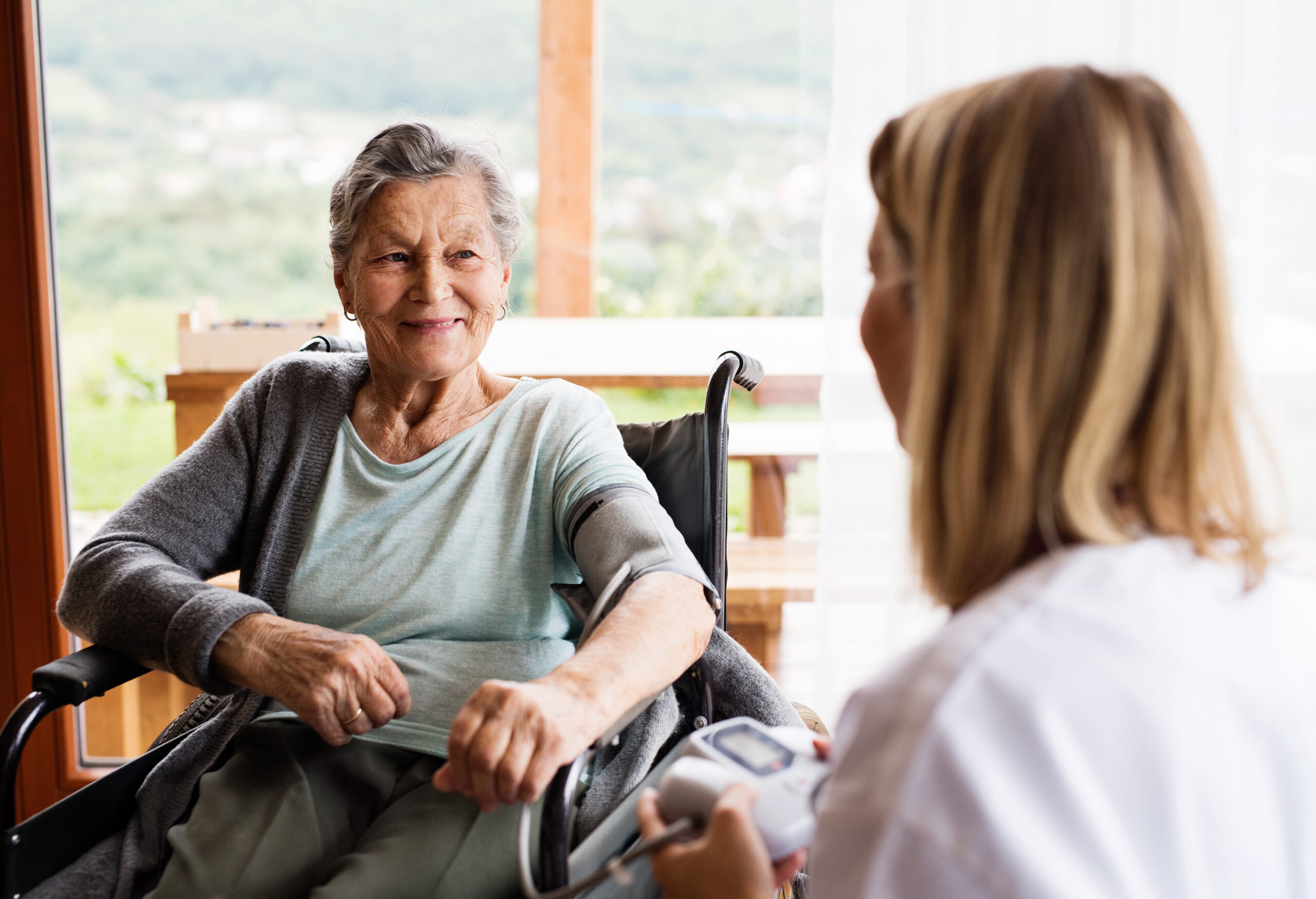
After surgery or hospitalization, it’s easy to miss early warning signs that something’s not right. Swelling, shortness of breath, or confusion can creep in and then escalate quickly. Without medical support at home, they can often go unnoticed until it’s too late.
Robin’s story is a good example. After a routine hip replacement, she was discharged with instructions and a follow-up appointment a week later. But within days, she was struggling to manage her pain and wasn’t sure if the swelling in her leg was normal. Thankfully, her daughter Blake had enrolled her in The Care Alliance. A nurse came by that afternoon, caught signs of a developing infection, and coordinated immediate treatment. Robin stayed out of the ER and stayed on track with her recovery.
How to avoid it: Don’t try to handle recovery all on your own. Even when you think you’ve got it under control, things can shift quickly. If you’re managing risks of going home without care, it’s hard to catch every little change. Having skilled nursing support at home means there’s someone there to notice the things you might miss, ask the right questions, and act before a small issue becomes a serious setback.
#2: Medication Mismanagement
The transition home often comes with new medications, adjusted doses, or complex timing. This hits especially close to home for so many older adults trying to heal while juggling a handful of prescriptions, each with different instructions, side effects, and timing. It’s a lot to manage, even on your best day. Mistakes happen more often than you’d think, and they can lead to dangerous complications or readmissions.
Cameron was discharged after a cardiac event with a new set of medications. He felt confident at first, but the instructions were confusing and easy to mix up. One missed dose led to dizziness and a frightening fall in the bathroom. It was a wake-up call, especially for someone navigating recovery on his own. It made him realize that recovering at home had to include having the right support in place.
With The Care Alliance, a nurse came to his home, organized his medications, reviewed side effects, and worked with his doctor to simplify everything.
How to avoid it: Make sure your recovery plan includes the right support to help manage medications. It might seem simple, but even one missed dose or mix-up can throw off your recovery, especially when you’re already feeling tired or overwhelmed. A home health professional can walk you through what to take, when to take it, and what side effects to watch for. It’s a small step that can make a huge difference in keeping things on track and giving you and your family real peace of mind.
#3: Physical Setbacks and Loss of Independence
Even short-term hospital stays can weaken muscle tone and mobility. Without help at home, many older adults push too hard (and some not enough), leading to falls, fatigue, or a decline in confidence.
Ellis, recovering from abdominal surgery, was eager to get back to normal. But within days, she strained herself trying to clean her apartment and ended up back in bed with intense pain. Through The Care Alliance, a physical therapist came to her home, helped set safe movement goals, and built a plan that respected both her independence and her limits.
How to avoid it: Make sure your care plan includes help with mobility and everyday routines—even the ones that feel small like getting dressed or moving from room to room. It’s easy to push yourself too hard too soon, especially when you’re eager to get back to normal. But recovery isn’t a race. Having someone there to guide and support you through those first steps can make all the difference. You don’t have to do it all alone.
The Bottom Line: You Don’t Have to Figure It Out Alone
No two recoveries look the same. Some are straightforward, others come with complications. But all of them are easier with a plan and a little support.
That’s why The Care Alliance exists: to offer a thoughtful, coordinated approach to post-hospital care. With access to 24/7 physician-directed urgent care, skilled nursing, and in-home support, you don’t have to guess your way through recovery. You can have someone right there with you, making sure you’re truly on the mend.
Start the conversation now. Reach out to our team to learn how The Care Alliance can help you build a safer, more supported path to healing. It’s okay not to have all the answers. That’s what we’re here for.